Advanced • 11 min read
Scaling Production
From hobby shelf to small farm — the workflow, infrastructure, and quality controls that let production scale without collapsing.
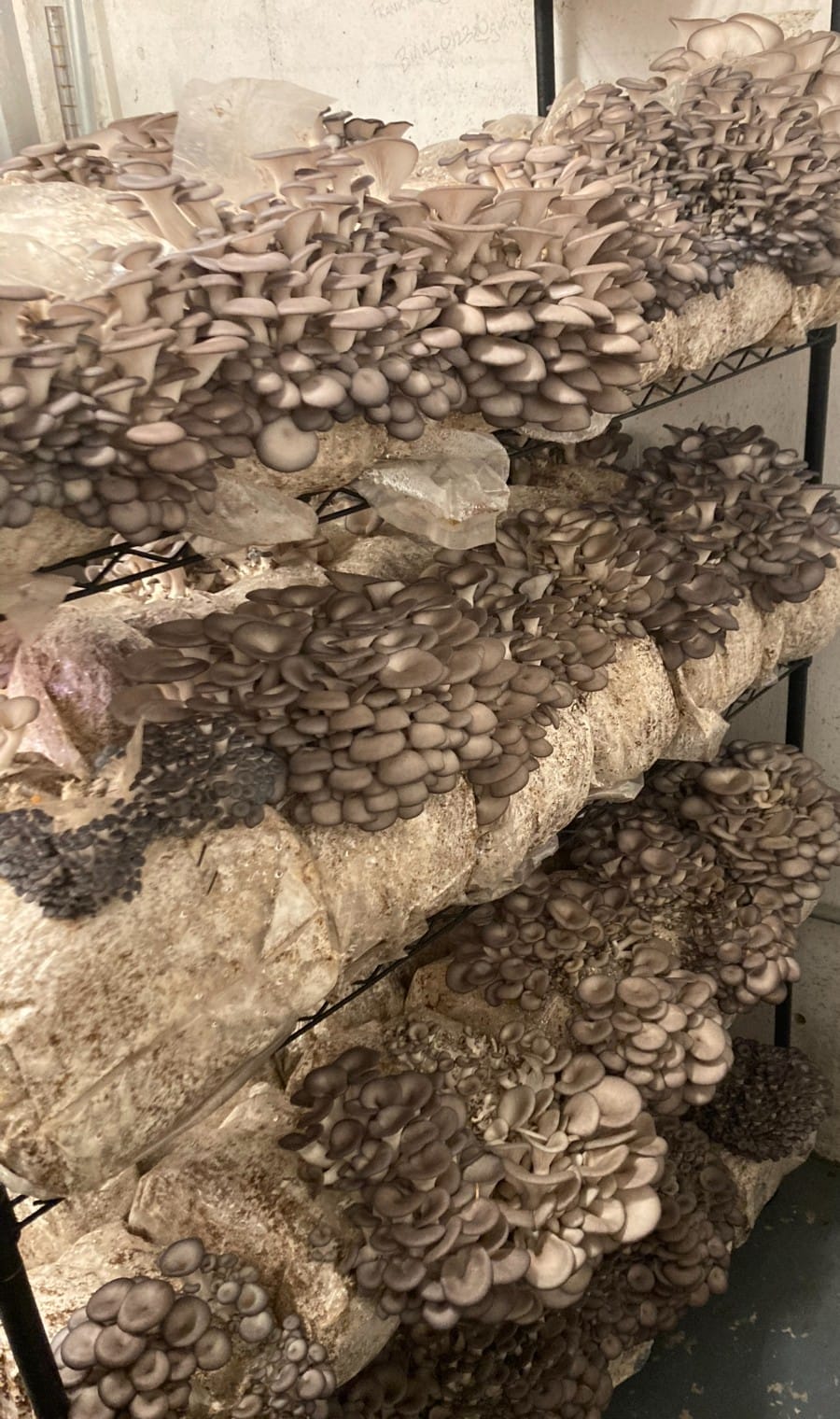
Small Scale Growing
Small-scale cultivation — a closet, a tent, a spare room — teaches almost every lesson that matters. A hobbyist running 5–20 blocks a month sees every species, every failure mode, every seasonal shift. Before scaling, honestly evaluate: are your last three batches consistent in yield and quality? If not, more volume will only multiply the problems. Scale rewards consistency and punishes chaos.
Production Planning
Commercial production runs on cycles, not events. Plan backward from the harvest week: incubation takes 2–4 weeks, fruiting adds 1–2 weeks, so a weekly harvest means a weekly inoculation. Track species mix, expected yield per block, and lead time by strain. Order spawn and substrate in reliable rhythm. A simple spreadsheet with inoculation date, species, batch size, and harvest weight is enough to run a small farm for years.
Workflow Management
Separate the farm into distinct zones: lab (agar, culture), spawn (grain, incubation), substrate (mixing, bagging, sterilizing), fruiting (climate-controlled), harvest and pack (cool, clean, with scales and labels). Physical separation prevents cross-contamination and speeds work — no one should be inoculating grain in a room full of open oyster caps releasing spores. Design the workflow so material moves in one direction, never backward.
Environmental Control
At scale, manual misting and tent-opening no longer work. Fruiting rooms use inline fans on humidistats and CO2 sensors, cool-mist humidifiers with reservoirs, insulated walls, LED strips on timers, and floor drains for cleaning. Incubation rooms need only stable temperature and darkness. Redundancy matters — a single humidifier failure over a weekend can lose an entire flush. Instrument everything you can afford to instrument.
Quality Control
Weigh every harvest by species and batch. Grade for chef-quality vs value pack. Track contamination rates per substrate lot and per spawn lot; investigate anything above baseline. Clean fruiting rooms between cycles. Keep the cold chain intact — mushrooms harvested Tuesday should be on a chef's counter Wednesday. Reputation is built on the fifth delivery and the fiftieth, not the first.
Commercial Considerations
Small mushroom farms rarely fail on cultivation — they fail on sales, cash flow, and burnout. Line up wholesale accounts (restaurants, co-ops, farmers markets) before you scale supply, not after. Price to cover substrate, spawn, labor, utilities, packaging, delivery, and yourself. Understand your local cottage food and agricultural regulations. And stay small enough to keep the work sustainable — this is the discipline behind Hoplite Farm's own approach.