Intermediate • 9 min read
Substrate Basics
The food your mushrooms eat — what substrate is, what it's made of, and why the mix matters more than any other single choice.
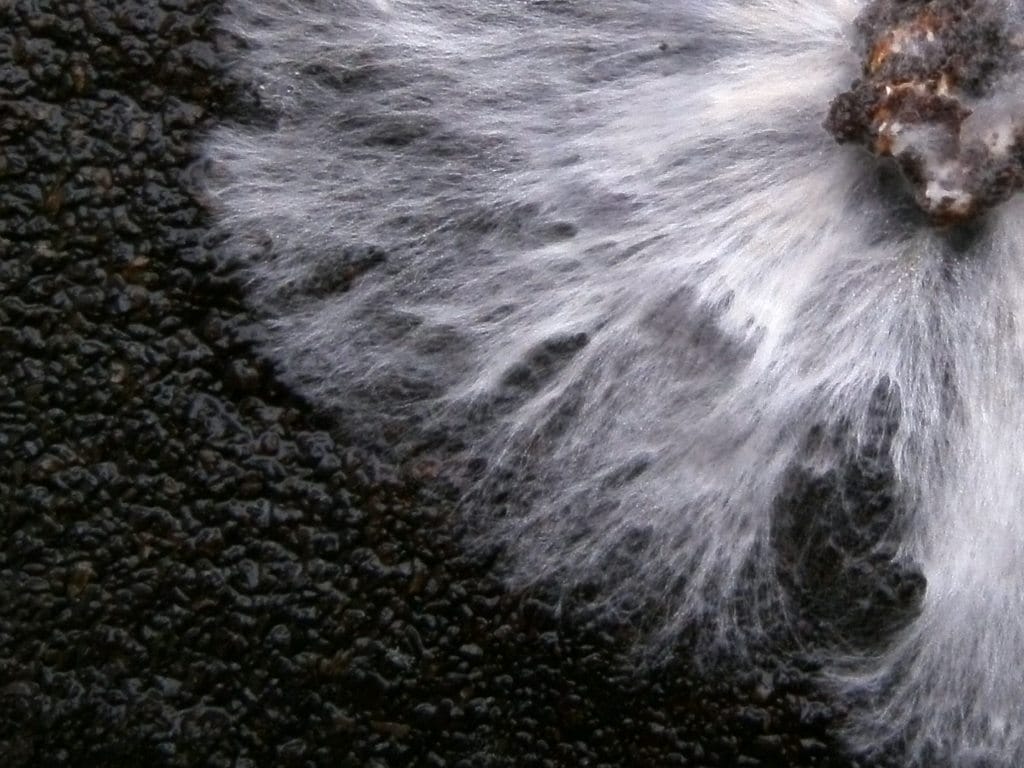
Photo: Tobi Kellner, CC BY-SA 3.0, via Wikimedia Commons
What Is Mushroom Substrate?
Substrate is the bulk food that mushroom mycelium colonizes and fruits from. Unlike grain spawn, which is a concentrated starter, substrate is designed to be voluminous, water-holding, and rich in the exact carbohydrates fungi digest well: cellulose, hemicellulose, and lignin. A good substrate holds moisture without going anaerobic, resists competing molds, and provides enough nutrition to support several flushes.
Common Substrate Materials
Hardwood sawdust: the workhorse for wood-loving gourmets — oysters, lion's mane, chestnut, shiitake. Wheat and oat straw: cheap, widely available, ideal for oyster species after pasteurization. Soybean hulls: high-nutrition supplement often blended 20–50 percent with sawdust to boost yield. Coco coir + vermiculite: manure-free bulk mix used mostly for other genera. Master's Mix (50/50 hardwood sawdust and soy hulls) is the current standard for high-yield gourmet production.
Hardwood vs Grain Based Materials
Hardwood substrates are the fruiting food — colonized slowly and deliberately, they carry the mushrooms through multiple flushes with clean, dense fruits. Grain-based materials (rye, millet, sorghum) are the spawn — nutrient-dense, colonized fast, and used to inoculate the bulk substrate. Grain alone is too rich for fruiting on its own and invites contamination. Hardwood alone colonizes too slowly to be used as a starter. The two work together, not interchangeably.
Nutrient Requirements
Mushrooms need a balance of carbon (cellulose, lignin), nitrogen (protein), and moisture. A carbon-to-nitrogen ratio in the 25–35 range is ideal for most gourmets; too low and you get contamination, too high and you get slow, weak growth. Soy hulls, bran, and gypsum are common nitrogen and mineral supplements. Field capacity moisture — around 60–65 percent for supplemented sawdust — is where colonization and fruiting both do best.
Why Substrate Quality Matters
Substrate is where yield lives. A well-formulated, properly hydrated, correctly sterilized substrate can double a block's output over a poorly made one — same strain, same environment. Poor substrate is also the number one contamination vector: too wet, too rich, or under-processed and green mold appears within a week. If you are moving beyond blocks, invest in your substrate process before anything else. Our sterile substrate is prepared the same way we make our own fruiting stock.